|
Natural gas is the primary source of energy in the industrial sector, accounting for nearly 40 percent of the total energy consumed. Gas is used as a boiler fuel, as a feedstock and as the energy source for a variety of industrial processes. Key gas-consuming industries include chemicals, steel, paper, glass and oil refining. Industrial gas consumption in 1998 was 10.1 quads. The current projection estimates industrial gas consumption of 11 quads by 2020; the accelerated projection forecasts 13 quads. These totals include gas consumed for cogeneration and other forms of distributed generation.
The industrial sector has led the resurgence in gas demand growth since the mid- 1980s. During the past decade, industrial natural gas consumption increased by 2.5 quads — by far the leading source of gas demand growth throughout the period. In fact, the growth in industrial gas consumption over the past 10 years was more than four times the growth in gas consumption by electric utilities.
Cogeneration, a form of distributed generation, has been the key driver in industrial demand growth. Much of the
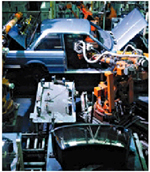 energy demand in the industrial sector is based on the need for heat and electricity. Both electricity and usable heat can be produced in a single process called cogeneration. Because cogeneration equipment captures and uses heat that would otherwise be wasted, it is far more efficient and clean than conventional separate processes.

The Public Utility Regulatory Policies Act (PURPA) of 1978 recognized the benefits of cogeneration, and it provided financial incentives to cogenerators, including the mandatory purchase by electric utilities of any surplus electricity generated. PURPA provided a significant stimulus to cogeneration projects, about two-thirds of which are fueled by gas. Cogenerators currently produce about 10 percent of the electricity consumed in the United States. (More than 80
 percent of the operational capacity was constructed post-PURPA.) Gas-fired cogeneration accounted for roughly 40 percent of the 2.5-quad growth in gas demand from 1988 to 1998.
Growth in industrial cogeneration will slow over the forecast period as the electric industry is restructured and PURPA benefits are eliminated, and also because most of the large sites with favorable electricity and steam balances have been taken.
Despite saturation in the cogeneration market, industrial gas demand will see continued strong growth. Cogeneration growth will slow somewhat over the next 20 years. However, numerous technological advances have emanated from the cogeneration boon, producing new breeds of gas turbines, reciprocating engines and heat-recovery equipment. These advances have laid the groundwork for other forms of industrial distributed generation as well as for increased penetration of cogeneration and distributed generation in smaller-scale residential and commercial applications.
Radical improvements in high-efficiency industrial gas equipment offer significant benefits to plant operators and the nation. In the early 1970s, the first oil embargo pushed energy prices up sharply at the same time Americans were increasingly focused on improving energy efficiency and environmental progress. As a result, since then, industrial energy users have sought to upgrade the performance of the energy-consuming equipment in their factories.
This upgrading has produced a new breed of gas
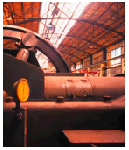 equipment and processes that, although often overlooked when policy-makers write regulations, offer significant benefits to plant operators and the nation. For example, direct-contact water heaters, used primarily in the textile industry, allow a gas flame to come into direct contact with the fluid being heated rather than merely heating the air or a containment vessel. As a result, far less energy is wasted. In fact, the efficiency of this heating process is greater than 99 percent (compare that with the 30- to 35-percent efficiency equipment it normally replaces). Similarly, gas-fired infrared burners, used in a host of industrial processes, are three times as efficient as traditional gas burners. Sophisticated, high-tech equipment such as this will be required for gas to maintain its role as the primary industrial energy source.
Back to Table of Contents
|